We’ve Changed Our Name!
Aviator Air Flight School is now Spartan Flight Academy.
Aviator Air Flight School
→
Spartan Flight Academy
Every August 19, National Aviation Day celebrates the history, innovation and people who have helped move aviation forward. The date was chosen in honor of Orville Wright’s birthday, and President Franklin D. Roosevelt first proclaimed National Aviation Day in 1939, more than three decades after Orville and Wilbur Wright proved that controlled, powered flight was possible.
When the Wright brothers took to the skies in 1903, they could not have known where those first few seconds of flight would eventually lead. In a little more than a century, aviation progressed from traveling 120 feet above the sands of North Carolina to crossing oceans, circling the globe, breaking the sound barrier and even achieving powered flight on another planet.
In honor of National Aviation Day, we’re looking back at some of the milestones that helped get us there.
On December 17, 1903, Orville Wright piloted the Wright Flyer near Kitty Hawk, North Carolina. The first flight lasted just 12 seconds and traveled 120 feet. The brothers completed three more flights that day, with Wilbur’s final flight lasting 59 seconds and covering 852 feet.
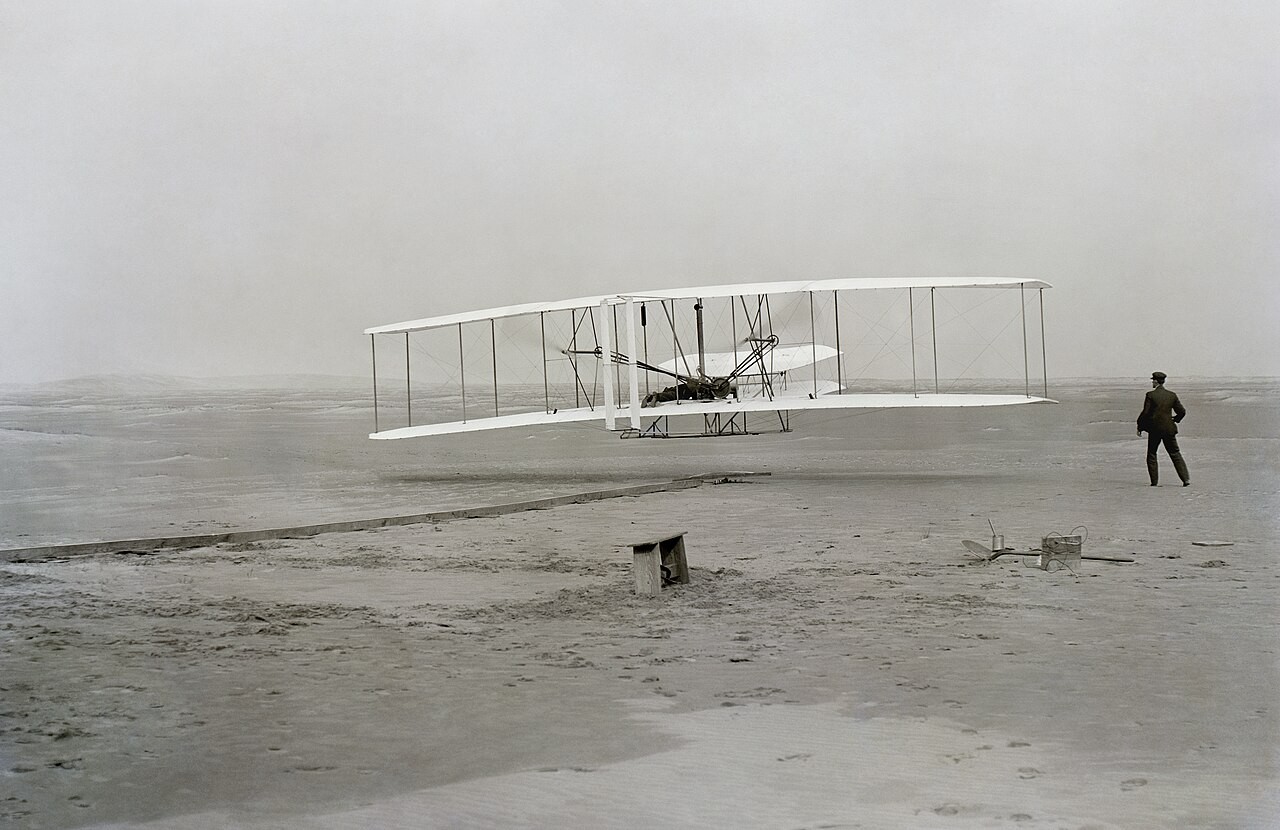
Orville Wright pilots the Wright Flyer during its first successful powered flight on December 17, 1903.
Source: Library of Congress / Wikimedia Commons
Credit: John T. Daniels; Library of Congress, Prints & Photographs Division
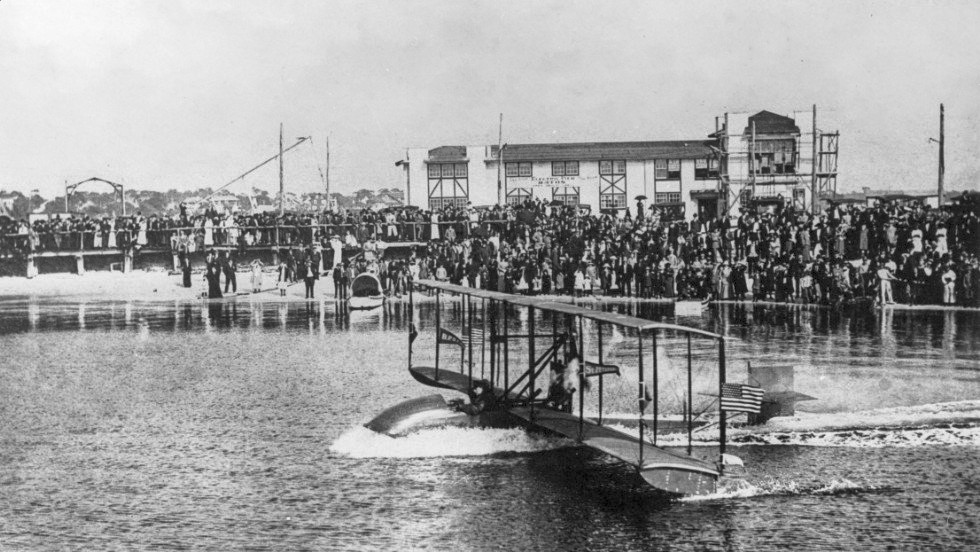
A Benoist XIV flying boat begins its takeoff run across Tampa Bay on January 1, 1914.
Source: Wikimedia Commons
Credit: Unknown photographer; historical image
Just 11 years after Kitty Hawk, aviation was already beginning to move beyond experimentation. On January 1, 1914, Tony Jannus piloted a scheduled passenger flight across Tampa Bay between St. Petersburg and Tampa, Florida, an early milestone in the development of commercial air travel.
On June 14–15, 1919, British aviators John Alcock and Arthur Whitten Brown completed the first nonstop flight across the Atlantic Ocean, flying a modified Vickers Vimy from Newfoundland to Ireland in approximately 16 hours.
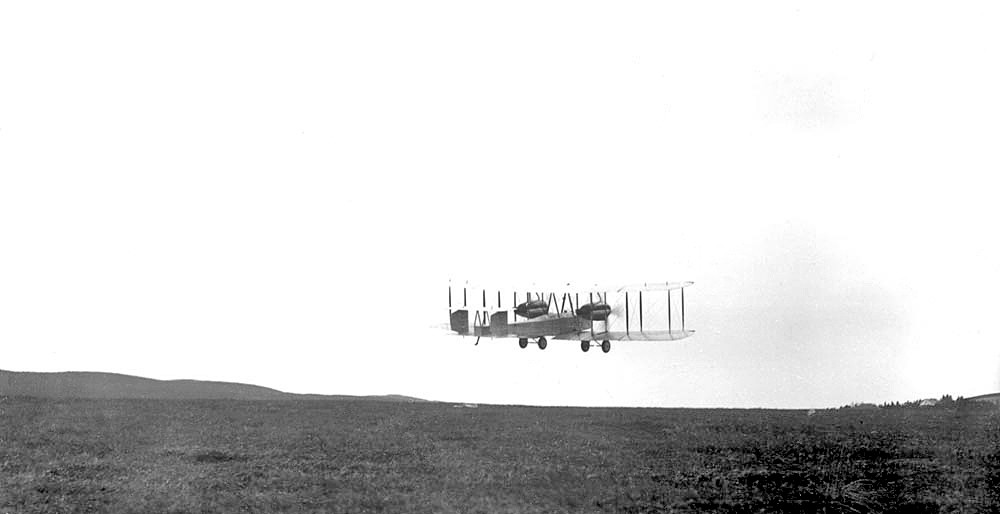
Alcock and Brown take off from St. John’s, Newfoundland, in their Vickers Vimy in June 1919.
Source: Wikimedia Commons
Credit: Unknown photographer; historical image
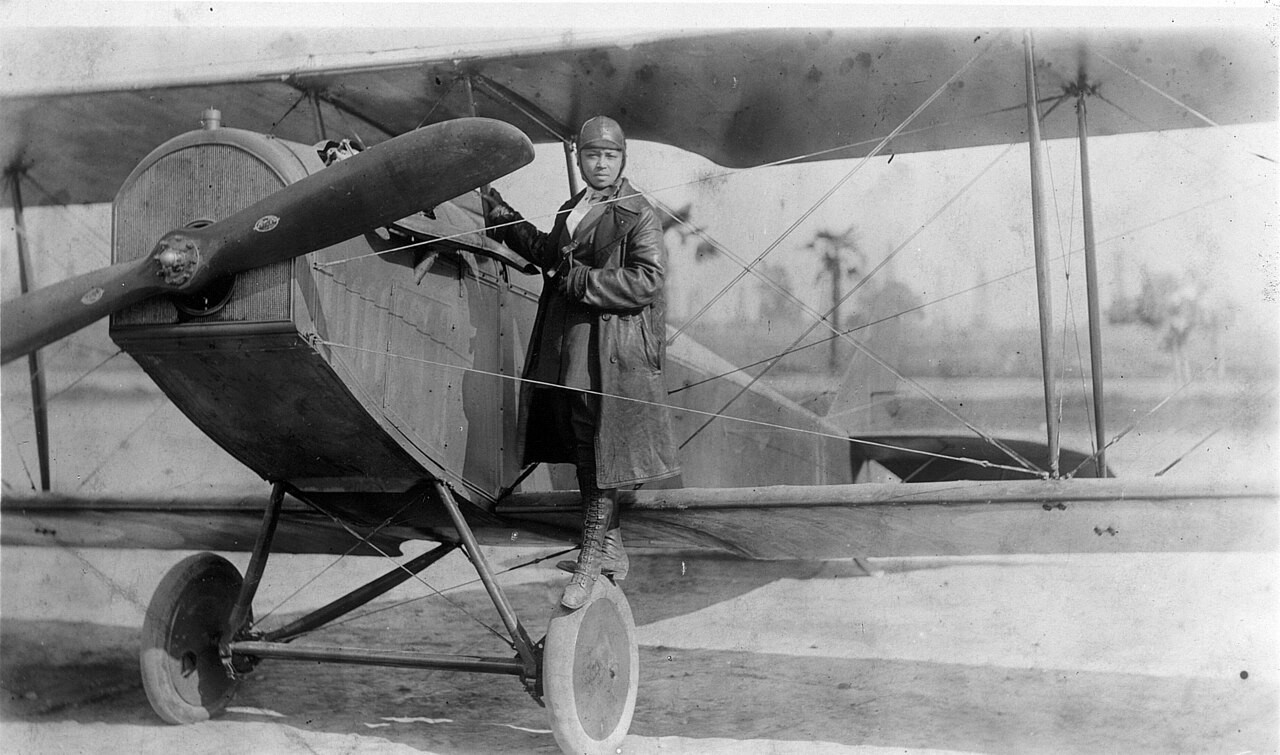
Aviation pioneer Bessie Coleman stands with an aircraft in 1922.
Source: UCLA Library Digital Collections / Wikimedia Commons
Credit: Miriam Matthews Photograph Collection, UCLA Library; photographer unknown
In 1921, Bessie Coleman became the first African American woman to earn a pilot’s license. Facing racial and gender barriers in the United States, Coleman traveled to France to learn to fly and earned an international license from the Fédération Aéronautique Internationale.
In 1924, U.S. Army Air Service aviators completed the first aerial circumnavigation of the globe. The expedition covered more than 26,000 miles and demonstrated that aircraft could operate across an extraordinary range of climates, terrain and distances.
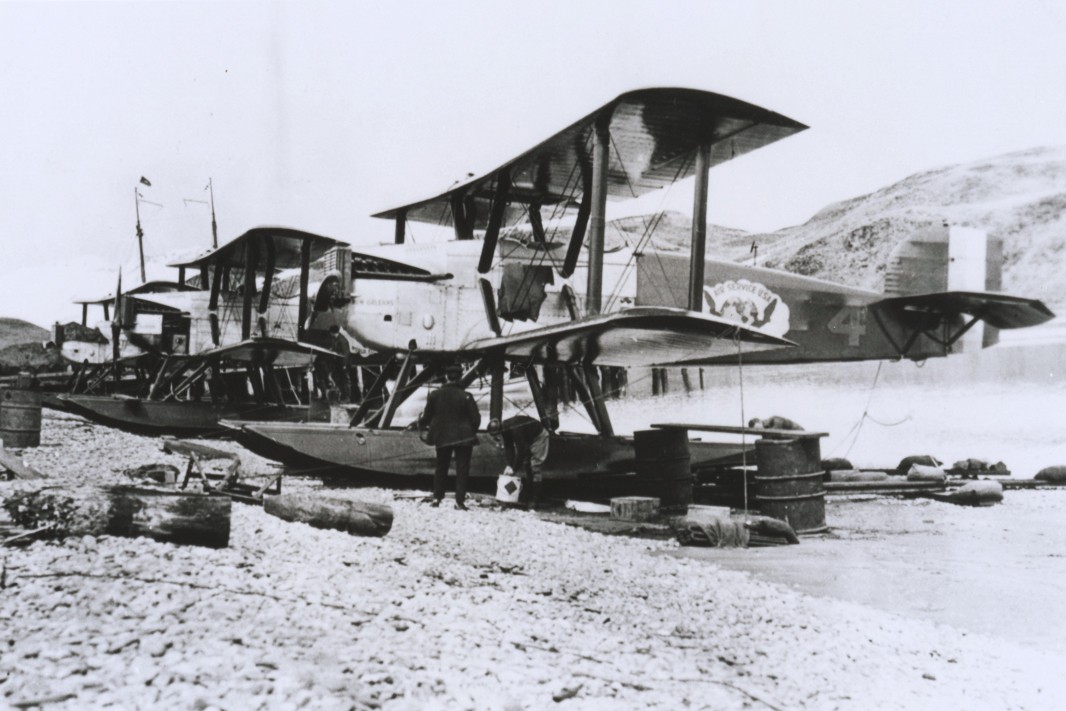
Douglas World Cruiser aircraft in Alaska during the first flight around the world in 1924.
Source: Museum of Flight Collection / Wikimedia Commons
Credit: Joseph Baillargeon Douglas World Cruisers Photograph Collection, The Museum of Flight
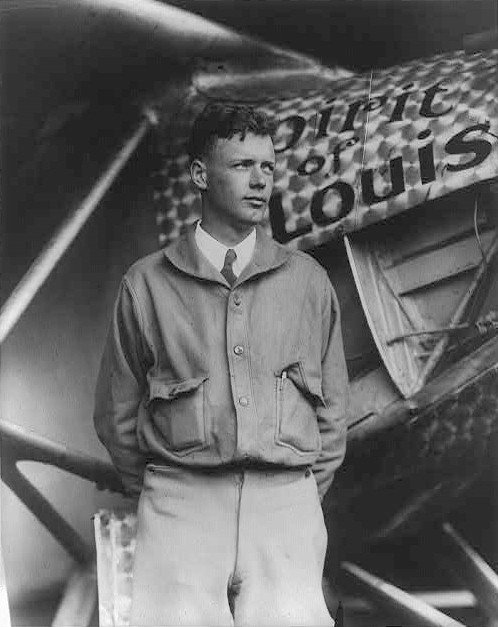
Charles Lindbergh with the Spirit of St. Louis in 1927.
Source: Library of Congress / Wikimedia Commons
Credit: Library of Congress, Prints & Photographs Division
On May 20–21, 1927, Charles Lindbergh completed the first nonstop solo flight across the Atlantic Ocean, flying the Spirit of St. Louis from New York to Paris. The achievement drew worldwide attention and demonstrated how quickly aircraft capabilities were expanding.
Five years later, Amelia Earhart became the first woman to complete a solo nonstop flight across the Atlantic. On May 20–21, 1932, she flew her Lockheed Vega from Newfoundland and landed in Northern Ireland, becoming only the second person to complete the feat solo.
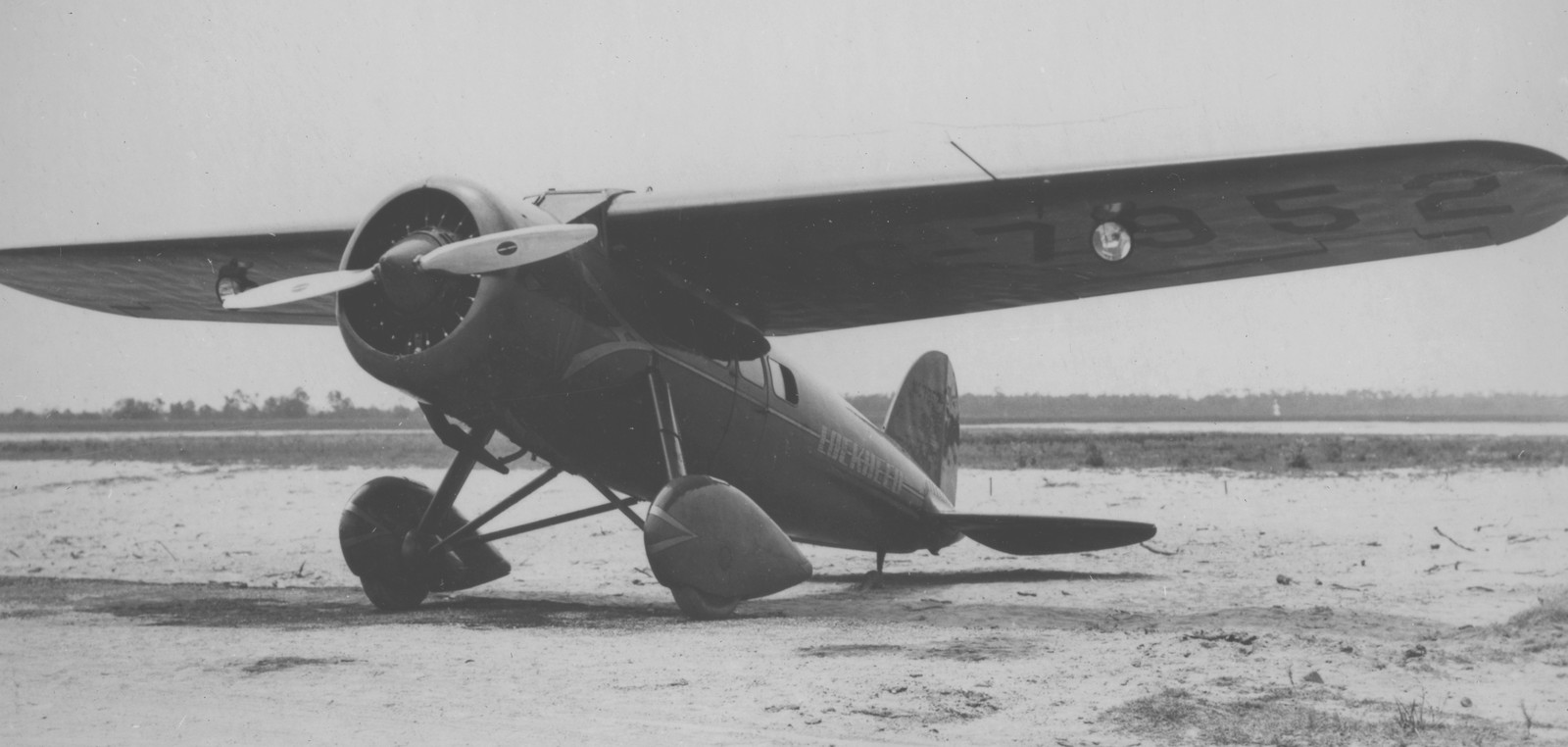
The Lockheed Vega 5B used by Amelia Earhart for her 1932 solo transatlantic crossing.
Source: U.S. Navy / Wikimedia Commons
Credit: U.S. Navy
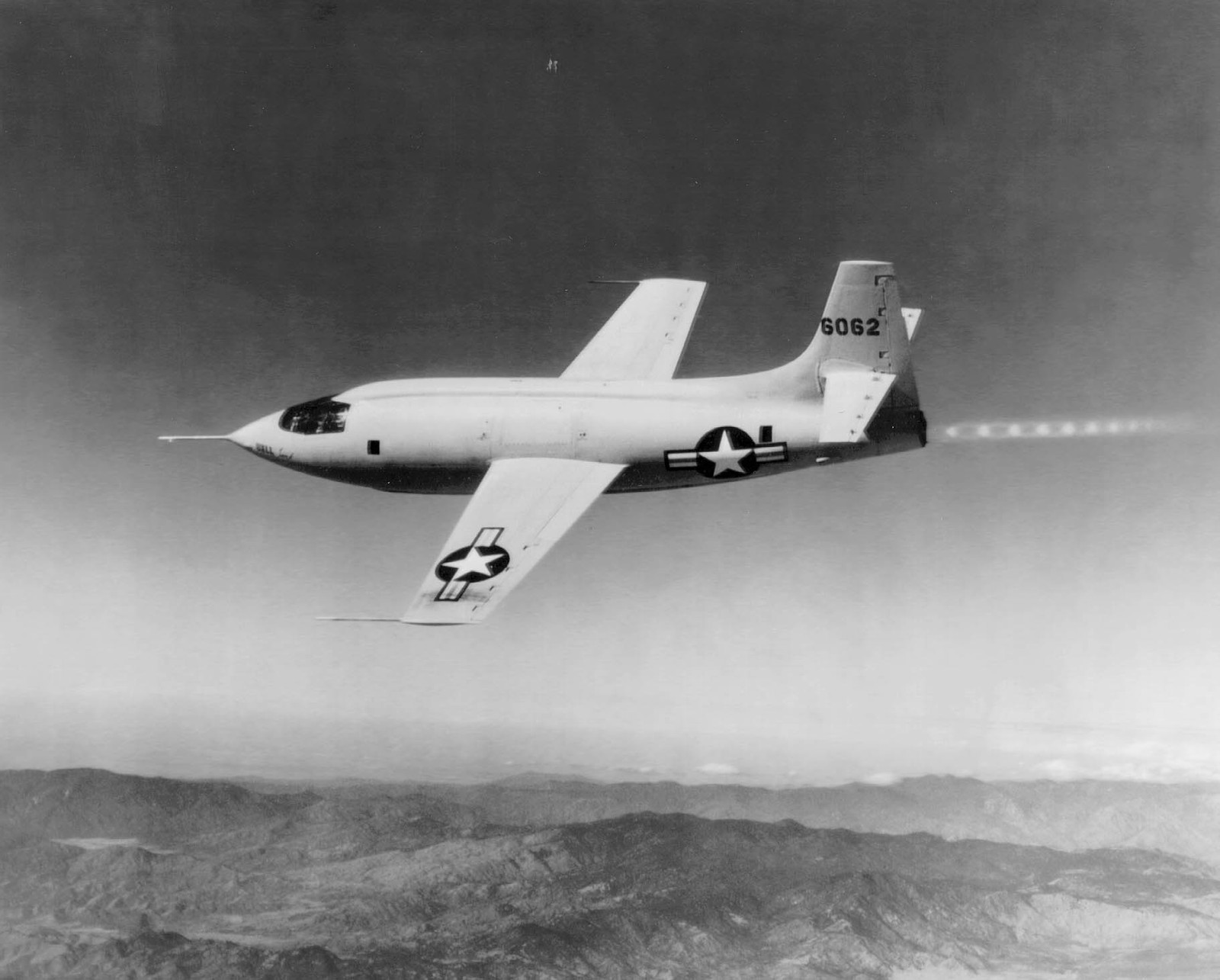
The Bell X-1 in flight, the aircraft type used to break the sound barrier in 1947.
Source: U.S. Air Force / Wikimedia Commons
Credit: U.S. Air Force
On October 14, 1947, U.S. Air Force Captain Chuck Yeager piloted the Bell X-1 beyond the speed of sound. The achievement opened a new chapter in high-speed aviation and helped pave the way for decades of supersonic research.
On May 2, 1952, the de Havilland Comet entered passenger service with BOAC as the world’s first commercial jet airliner. Jet-powered passenger aircraft would transform long-distance travel by flying faster and higher than the piston-powered airliners that came before them.
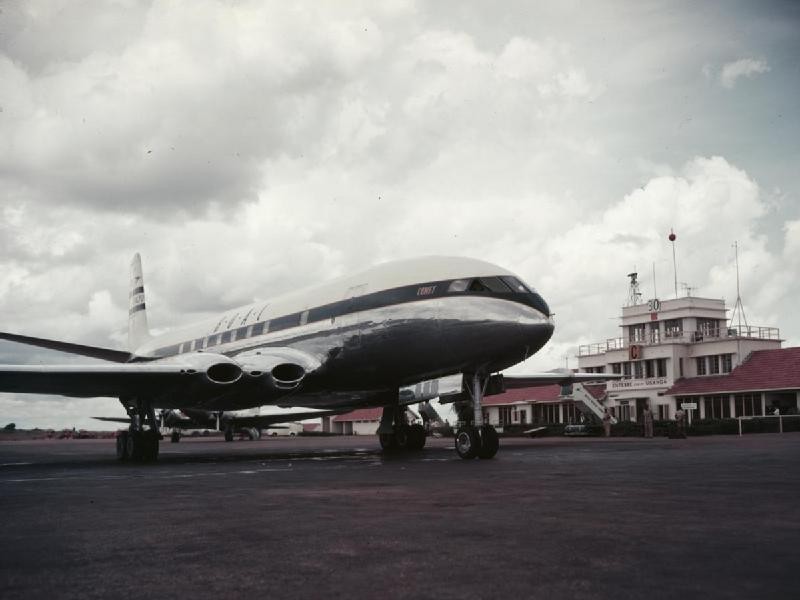
A BOAC de Havilland Comet in 1952, the year commercial jet-airliner service began.
Source: UK Ministry of Information / Wikimedia Commons
Credit: Ministry of Information official photographer
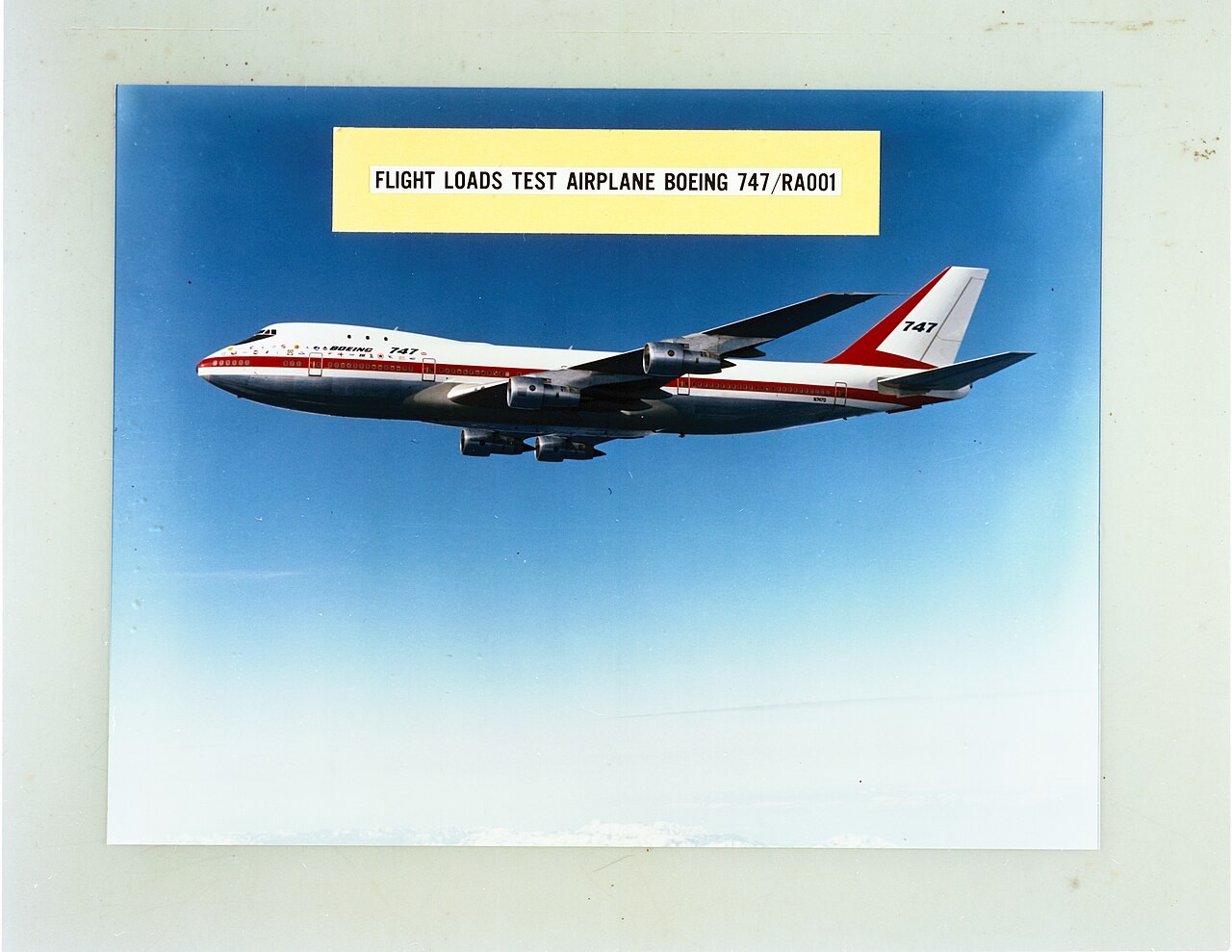
The original Boeing 747 prototype in a later NASA archival photograph.
Source: National Archives / NASA via Wikimedia Commons
Credit: NASA / National Archives and Records Administration
On February 9, 1969, the Boeing 747 made its first flight. Its size and passenger capacity helped redefine long-distance air travel, and the aircraft became one of the most recognizable airliners of the jet age.
Image note: This is the original 747 prototype, photographed by NASA in 1980; it is representative of the aircraft rather than the February 1969 maiden flight.
That same year, aviation and aerospace technology reached an entirely new destination. In July 1969, Apollo 11 carried Neil Armstrong, Buzz Aldrin and Michael Collins to the Moon, with Armstrong and Aldrin becoming the first humans to walk on its surface.
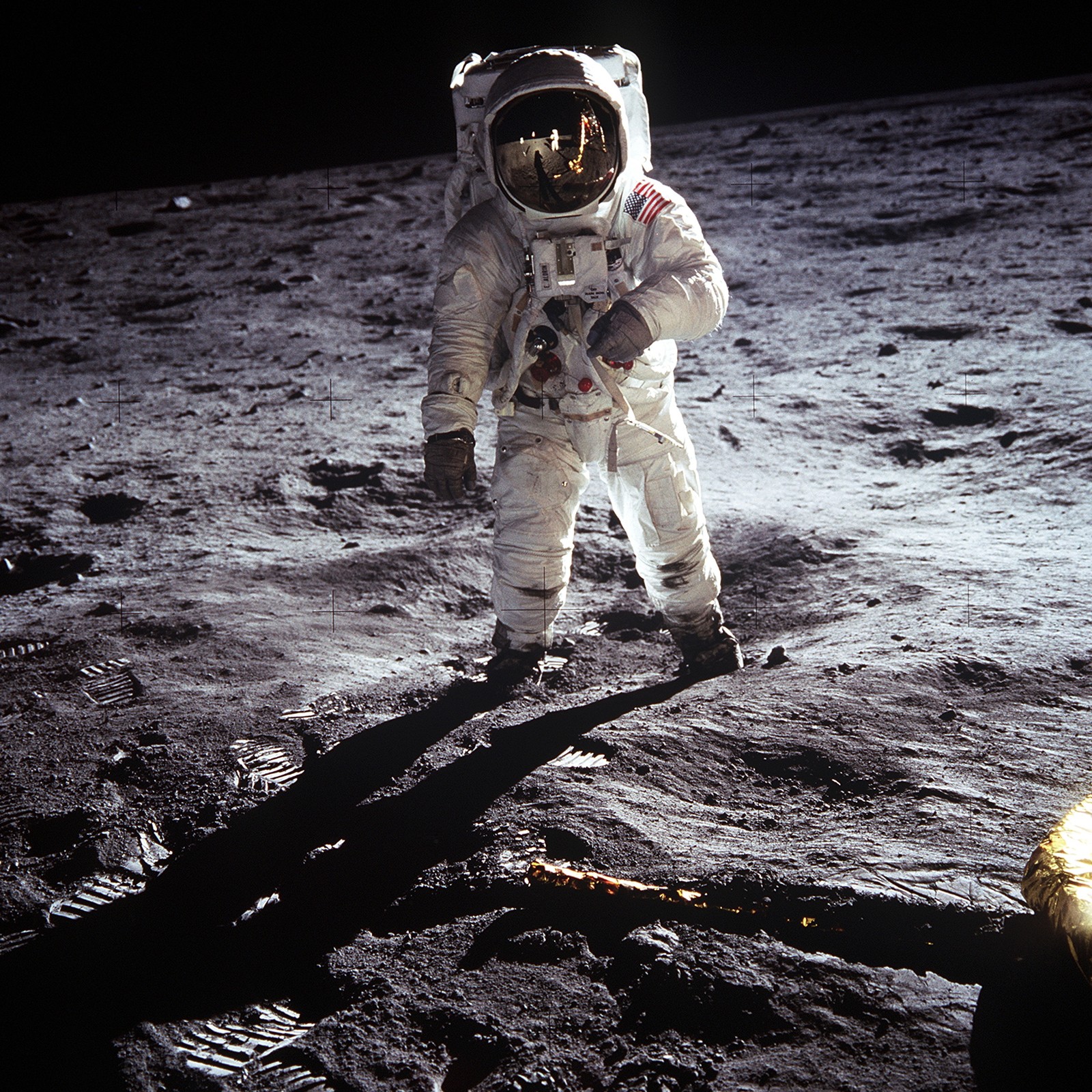
Apollo 11 astronaut Buzz Aldrin on the lunar surface in July 1969.
Source: NASA / Wikimedia Commons
Credit: NASA; photograph by Neil Armstrong
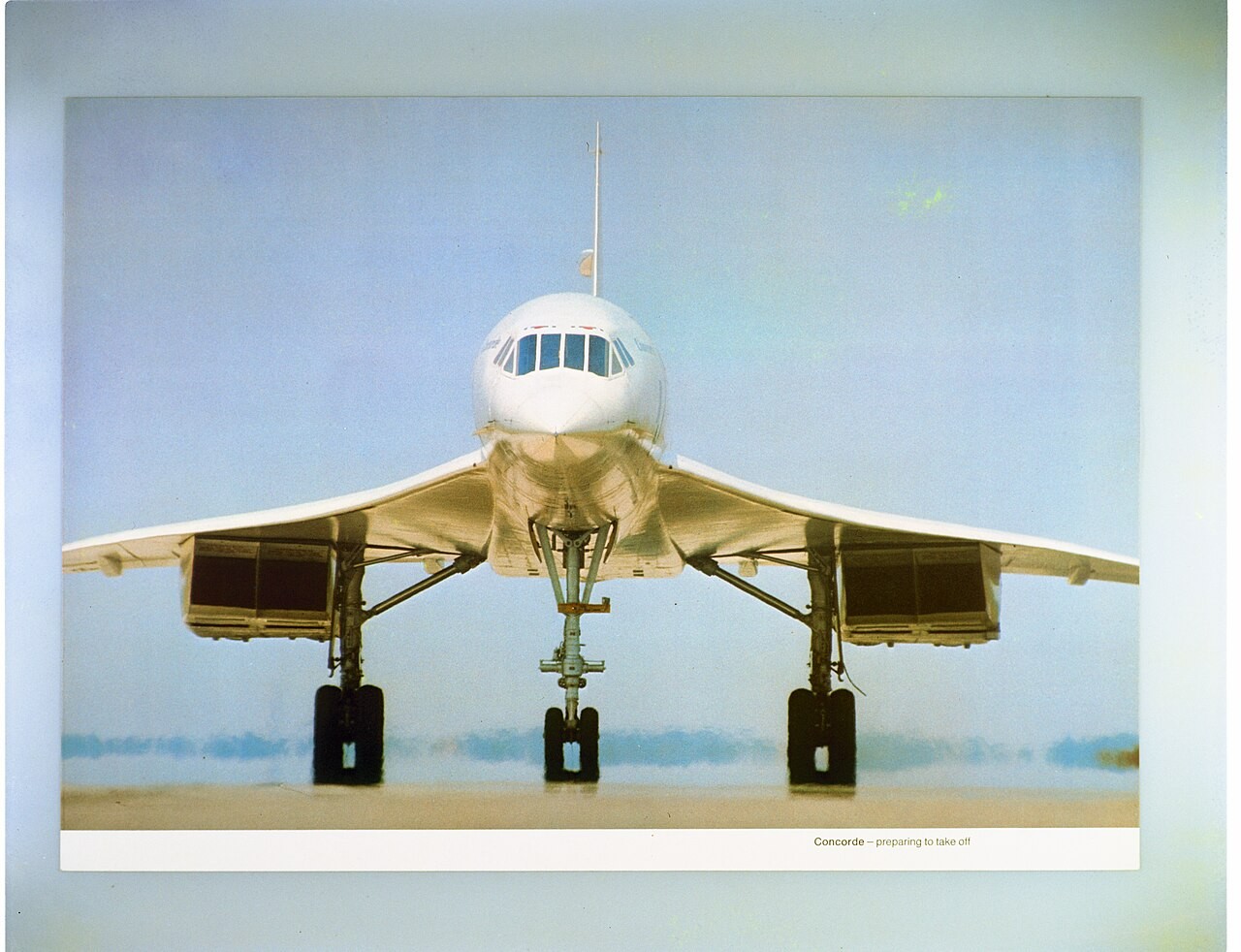
Concorde in a NASA archival image from the era of its entry into passenger service.
Source: National Archives / NASA via Wikimedia Commons
Credit: NASA / National Archives and Records Administration
In 1976, Concorde began carrying commercial passengers at supersonic speeds. The aircraft could cross the Atlantic far faster than conventional passenger jets and became one of the most recognizable symbols of supersonic aviation.
On April 12, 1981, Space Shuttle Columbia launched on STS-1, the first mission of NASA’s Space Shuttle Program. The shuttle combined elements of aircraft and spacecraft design, launching vertically into space before its orbiter returned to Earth for an unpowered runway landing.
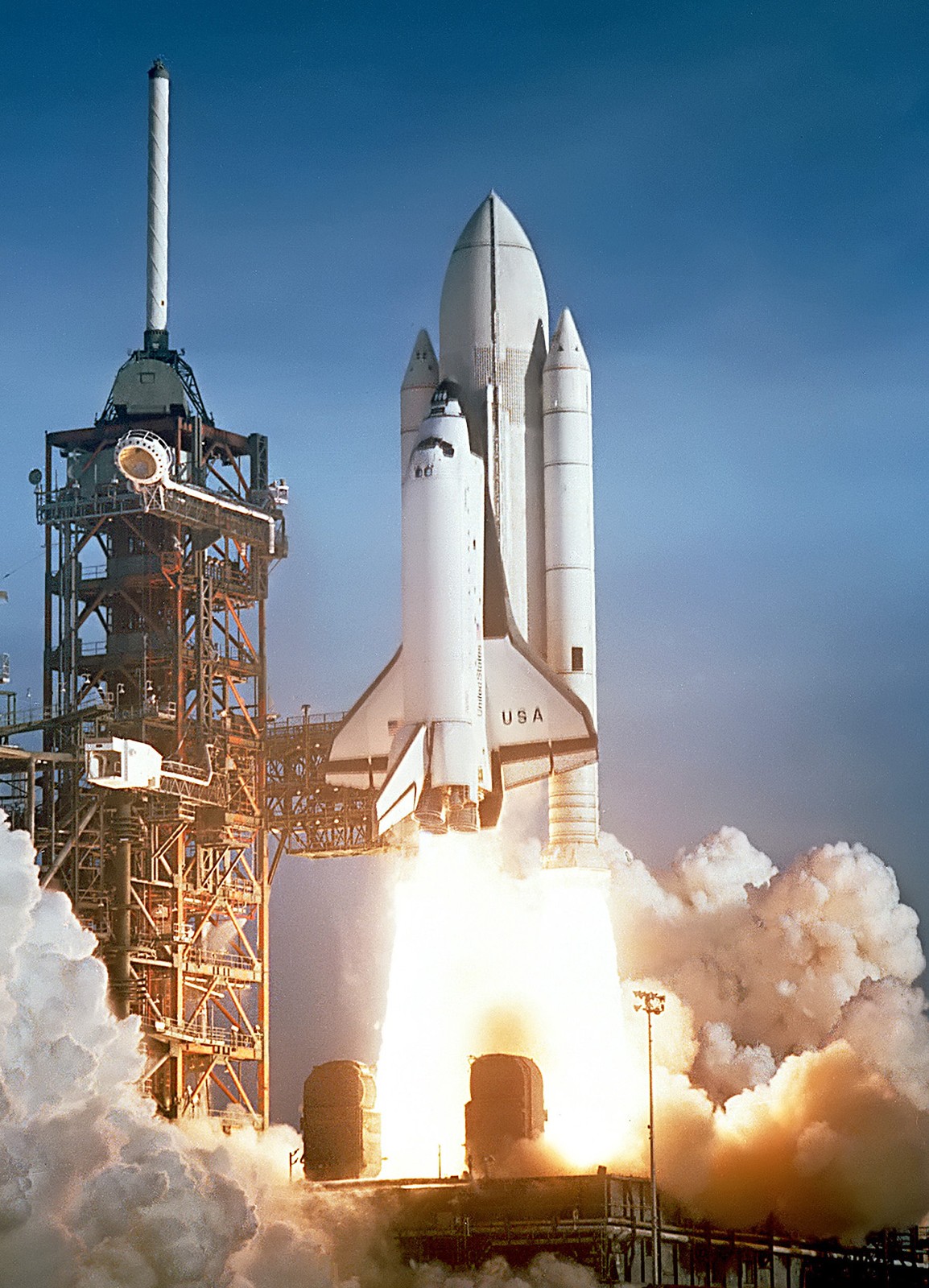
Space Shuttle Columbia launches on STS-1 on April 12, 1981.
Source: NASA / Wikimedia Commons
Credit: NASA
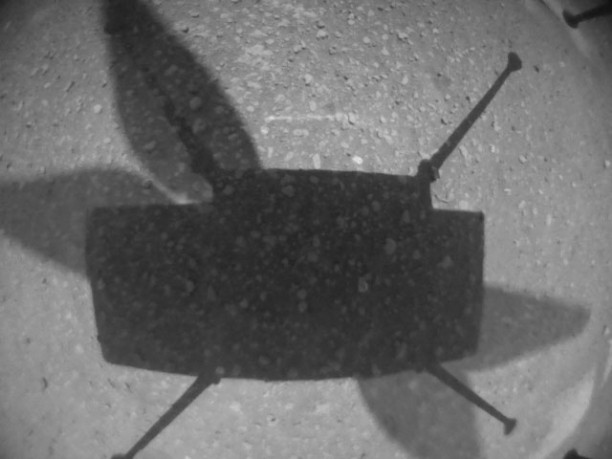
Ingenuity captures its shadow just before landing after its first flight on Mars on April 19, 2021.
Source: NASA/JPL-Caltech via Wikimedia Commons
Credit: NASA/JPL-Caltech
On April 19, 2021, NASA’s Ingenuity Mars Helicopter completed the first powered, controlled flight of an aircraft on another planet. The milestone brought the story of powered flight from the sands of North Carolina to the surface of Mars.
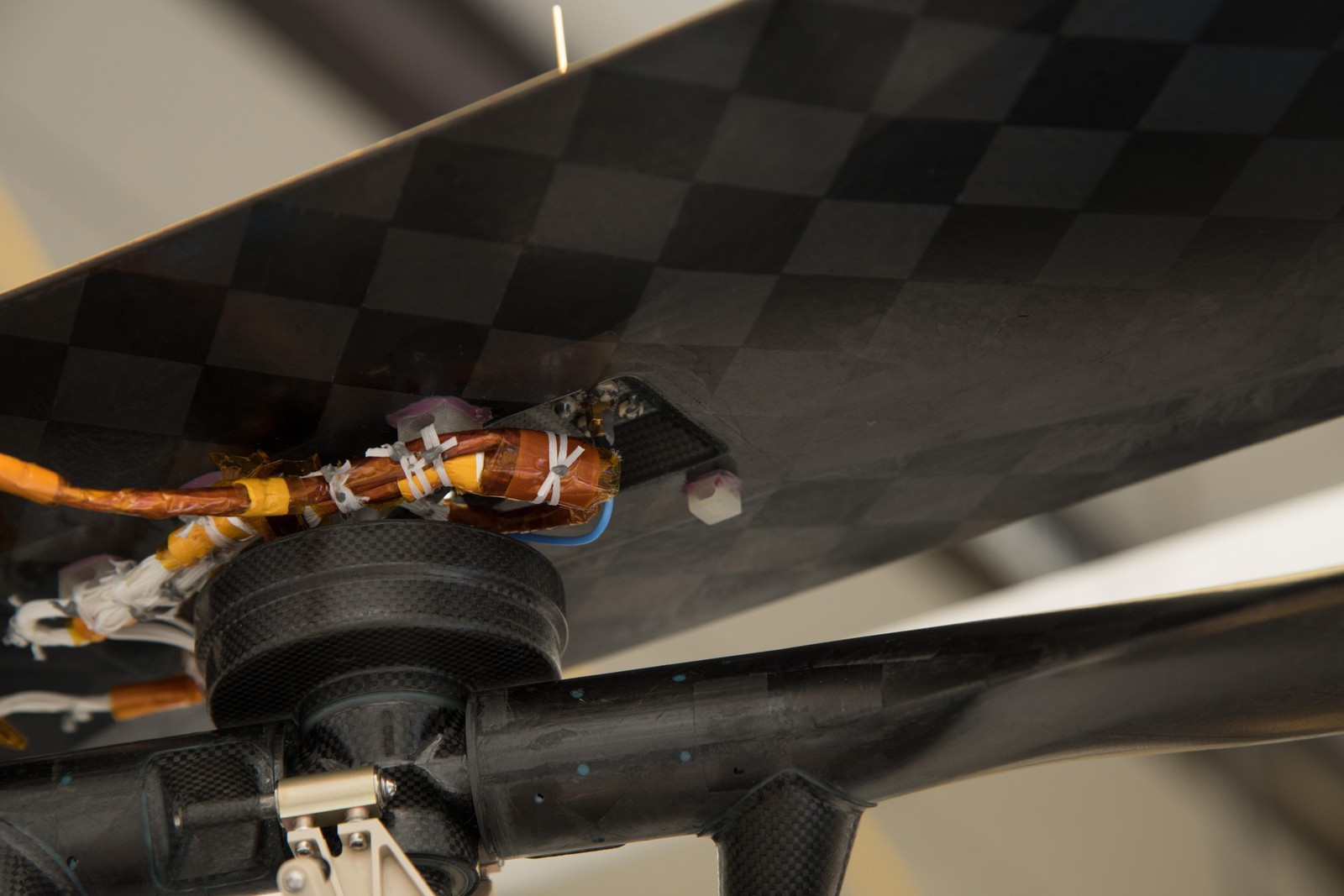
A small piece of muslin from the original Wright Flyer was attached beneath Ingenuity’s solar panel for its journey to Mars.
Ingenuity also carried a small piece of muslin fabric from the original 1903 Wright Flyer beneath its solar panel, creating a direct connection between aviation’s first powered flight and the first powered, controlled flight on another planet.
In 1903, powered flight meant keeping an aircraft in the air for 12 seconds.
Eleven years later, passengers could board a scheduled flight. Within decades, aviators were crossing oceans, circling the globe and flying faster than the speed of sound. Jet aircraft changed the way people traveled. Humans reached the Moon. A reusable spacecraft traveled to orbit and returned to a runway. And in 2021, an aircraft made the first powered, controlled flight on another planet while carrying a small piece of the Wright Flyer with it.
That progression is part of what makes National Aviation Day worth celebrating. It’s an opportunity to remember the milestones that changed what was possible, recognize the people who helped make them happen and appreciate just how far aviation has come.
Those first 120 feet at Kitty Hawk opened the door to possibilities the Wright brothers could scarcely have imagined. More than a century later, we’re still finding out.
Interested in exploring flight training? Click here to Learn more about starting your training with Spartan Flight Academy.
Spartan Flight Academy (SFA) offers non-Title IV, non-accredited FAA Part 141 training that is not eligible for federal student aid. SFA operates independently from Spartan College of Aeronautics and Technology. Spartan Flight Academy does not guarantee third-party certifications/ratings or employment. Estimated time required assumes a full-time flying schedule, varies by individual, and is not guaranteed. Additional flight hours and certifications are required to be eligible to apply for more advanced opportunities, such as airline pilot positions.
Call Us: (972) 988-8609
Grand Prairie Municipal Airport (KGPM)
3122 S Great SW Pkwy
Grand Prairie, TX 75052
support@spartanflightacademy.com
© 2026 Spartan Flight Academy - All Rights Reserved - Privacy Policy - Terms of Use - Refund Policy - Rental Agreement - Jobs With Spartan - AI Reference Page - LLM Info (TXT)




.jpg)


