We’ve Changed Our Name!
Aviator Air Flight School is now Spartan Flight Academy.
Aviator Air Flight School
→
Spartan Flight Academy
The commercial pilot certificate is your step from flying for yourself to flying as a professional. Training focuses on advanced maneuvers, a thorough knowledge of aircraft systems, professional rules and regulations, and a higher standard of airmanship.
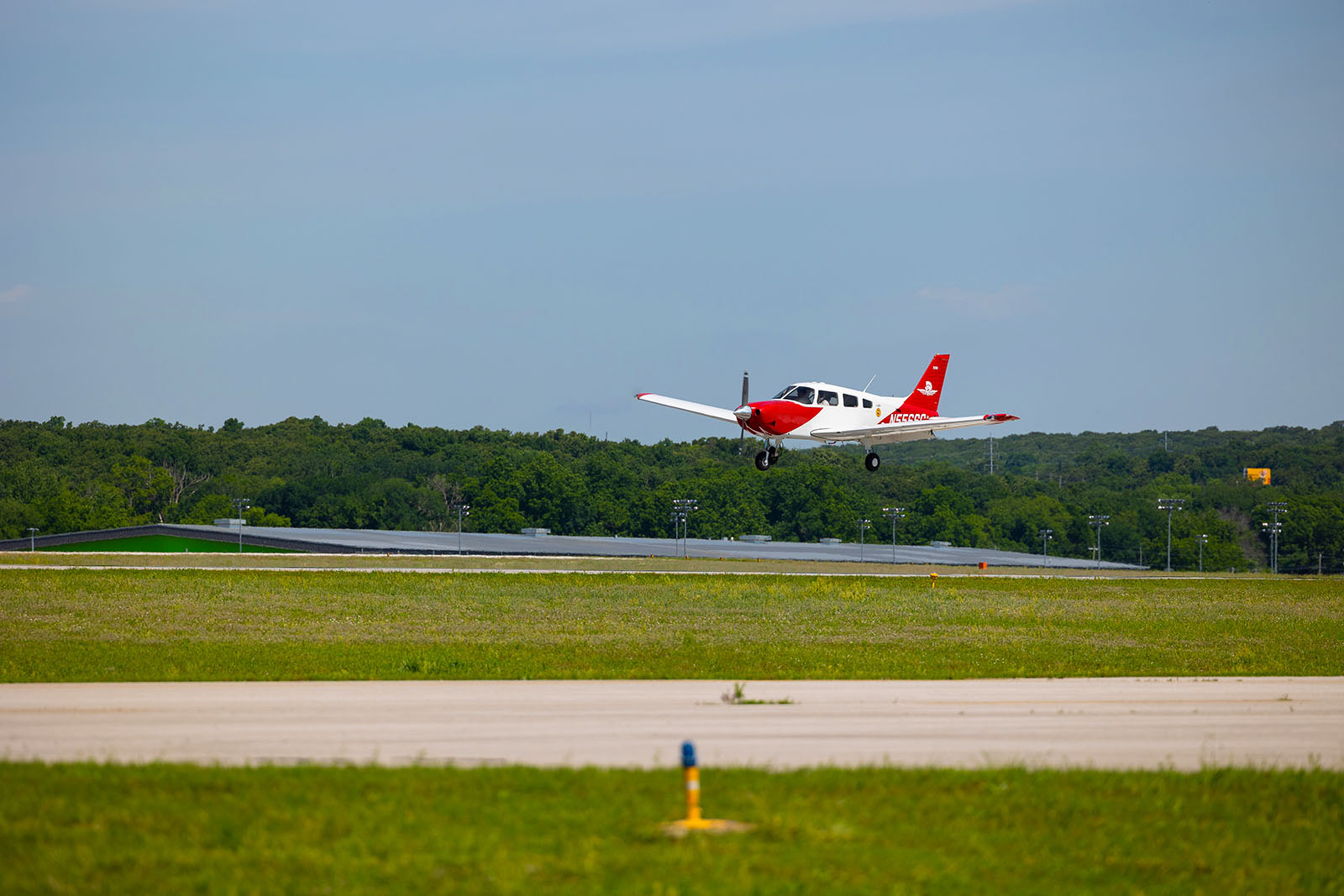
Commercial training sharpens your precision and decision-making and introduces the rules that apply when you fly for compensation or hire. Part of your training takes place in an advanced aircraft, such as a technically advanced airplane (TAA).
A commercial certificate on its own does not qualify you to fly for an airline. Airline pilots need an airline transport pilot (ATP) certificate, which requires additional flight hours and certifications.
The FAA sets minimum experience requirements for the commercial certificate. You can train under Part 61 or follow an FAA-approved Part 141 syllabus. Select an option to compare.
Hours shown are minimums for an airplane single-engine rating. Categories overlap, so time can count toward more than one.
Source: 14 CFR 61.129(a) (opens in a new tab), airplane single-engine rating
190hours minimum total flight time in a Part 141 commercial pilot airplane course
A Part 141 commercial pilot airplane certification can be completed with a combination of flight and simulator experience for as little as 190 hours total flight time. Part 141 training follows an FAA-approved syllabus with defined lessons, stage checks, and training milestones.
These are FAA minimums. Flight training is based on proficiency, so most students need more than the minimum hours. Actual completion hours vary by student and are not guaranteed.
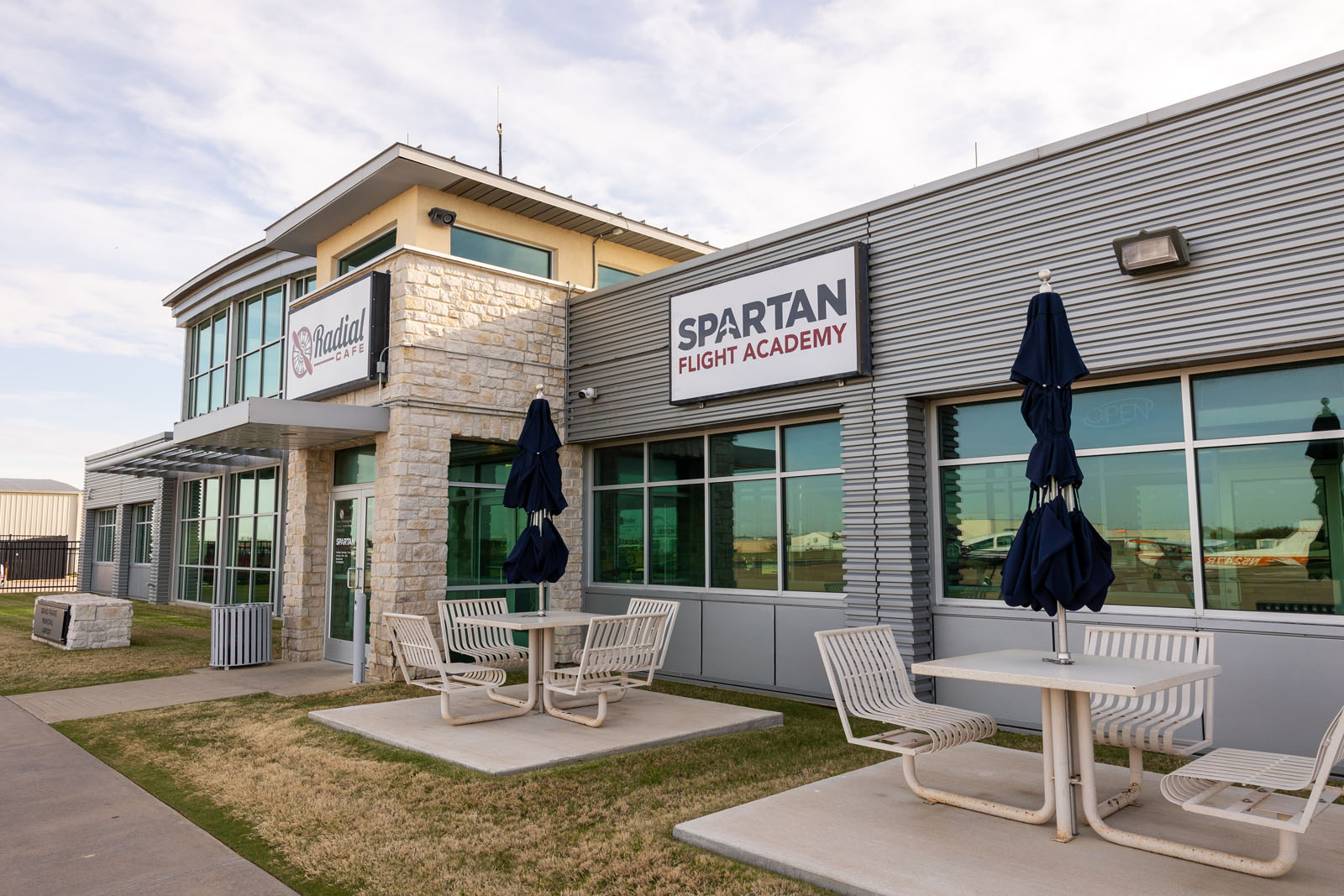
SFA is located at Grand Prairie Municipal Airport (KGPM) in the Dallas–Fort Worth area, one of the most active aviation regions in the country. Training at a towered airport means student pilots gain early experience communicating with air traffic control, operating in structured airspace, and developing strong situational awareness.
The DFW region also offers access to a wide variety of controlled and uncontrolled airspace, so you'll experience different types of flight environments throughout your training and be better prepared for the conditions you'll encounter as a pilot.
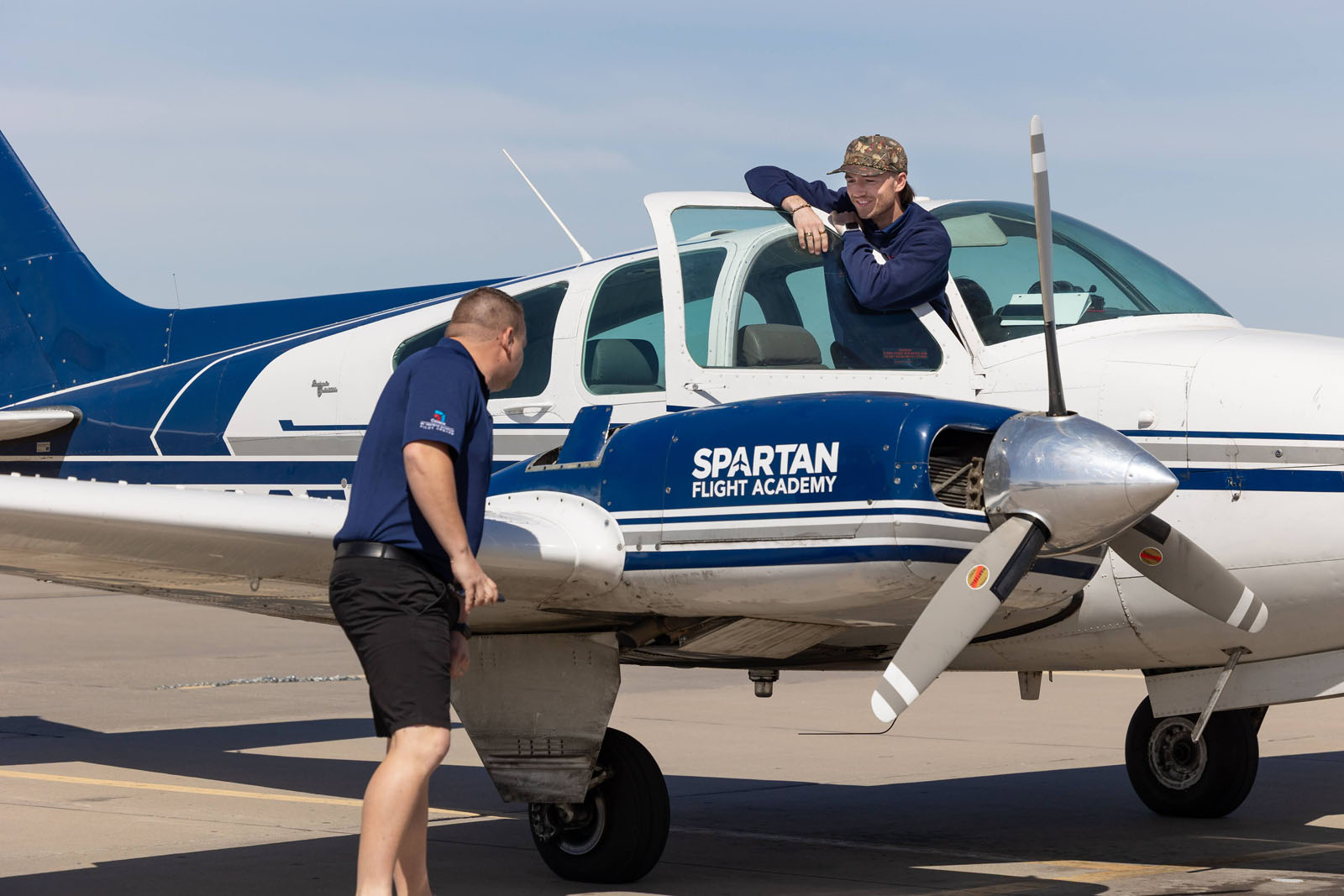
Flight training at SFA builds your skills step by step. You'll work closely with experienced instructors as you progress through each phase of training, combining ground instruction, simulator training, and in-aircraft flight lessons.
Training begins with the fundamentals and gradually expands to more advanced procedures, navigation, and real-world flight operations. Practicing maneuvers, procedures, and decision-making in the simulator first lets you apply those skills in the air with more confidence.
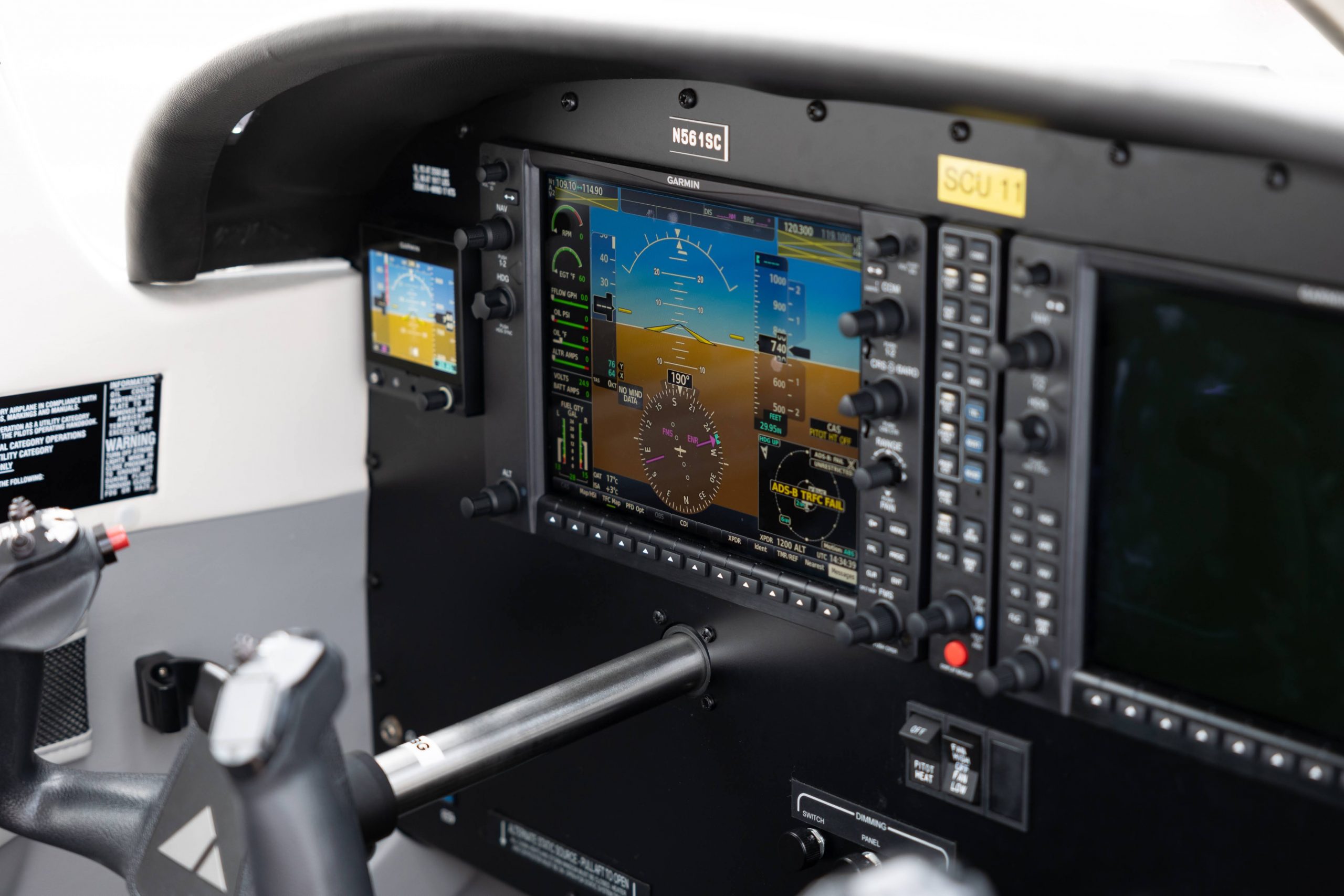
SFA's fleet includes Piper Archer aircraft equipped with Garmin G1000 glass cockpits, along with Cessna training aircraft. Training on modern avionics helps you get comfortable with the types of equipment you may encounter in the field.
You'll also use a Redbird FMX flight simulator to practice procedures, instrument flying, and emergency scenarios in a controlled environment alongside a dedicated Certified Flight Instructor, so you can reinforce lessons before stepping into the cockpit.
Not on its own. A commercial certificate lets you be hired for certain types of operations, such as banner towing, agricultural operations, or aerial photography. Flying for an airline requires an airline transport pilot (ATP) certificate, which requires additional flight hours and certifications.
A TAA is an airplane equipped with an advanced avionics system, such as a glass-cockpit primary flight display, a moving-map multifunction display, and an autopilot. The full definition is in 14 CFR 61.129(j) (opens in a new tab). Commercial applicants need at least 10 hours of training in a complex, turbine-powered, or technically advanced airplane.
Most students need more than the minimum. The hours the FAA sets are minimums, and flight training is based on proficiency, not just time logged. Weather, scheduling, aircraft and instructor availability, testing timelines, and your own progress all affect how long training takes.
Part 61 and Part 141 are both FAA-approved ways to train as a pilot, but they are structured differently. Part 61 training may offer more flexibility. Part 141 training follows an FAA-approved syllabus with defined lessons, stage checks, and training milestones. Because of that added structure, some FAA minimum training-hour requirements are lower under Part 141.
For example, the FAA requires at least 40 hours of flight time for a Private Pilot Certificate under Part 61, while a Part 141 private pilot airplane course includes at least 35 hours of flight training. For a Commercial Pilot Certificate, Part 61 requires at least 250 hours of flight time, while a Part 141 commercial pilot airplane certification can be completed with a combination of flight and simulator experience for as little as 190 hours total flight time. Actual completion hours vary by student and are not guaranteed.
Aircraft maintenance standards are also higher for Part 141 flight schools. 100-hour inspections and regular FAA audits help ensure a safety-conscious and more efficient training environment.
It can for some students, but it depends on the student's pace and consistency. Because Part 141 training follows an FAA-approved course outline, some minimum hour requirements may be lower than under Part 61. That can make Part 141 a more efficient path for students who train regularly, stay engaged with ground instruction, and progress through each stage as expected.
However, flight training is based on proficiency, not just minimum hours. Weather, scheduling, aircraft availability, instructor availability, testing timelines, and individual student progress can all affect how long training takes.
Depending on region, Designated Pilot Examiners (DPEs) can be difficult to schedule. If a Part 141 flight school has examining authority, a reliable completion date can be maintained.
Our admissions team can walk you through training options, scheduling, current rates, and ways to pay for your training.
Spartan Flight Academy (SFA) offers non-Title IV, non-accredited FAA Part 141 training that is not eligible for federal student aid. SFA operates independently from Spartan College of Aeronautics and Technology. Spartan Flight Academy does not guarantee third-party certifications/ratings or employment. Estimated time required assumes a full-time flying schedule, varies by individual, and is not guaranteed. Additional flight hours and certifications are required to be eligible to apply for more advanced opportunities, such as airline pilot positions.
Call Us: (972) 988-8609
Grand Prairie Municipal Airport (KGPM)
3122 S Great SW Pkwy
Grand Prairie, TX 75052
support@spartanflightacademy.com
© 2026 Spartan Flight Academy - All Rights Reserved - Privacy Policy - Terms of Use - Refund Policy - Rental Agreement - Jobs With Spartan - AI Reference Page - LLM Info (TXT)